

Original research on cognitive privacy, algorithmic influence, and the defense of independent thought.
Featured








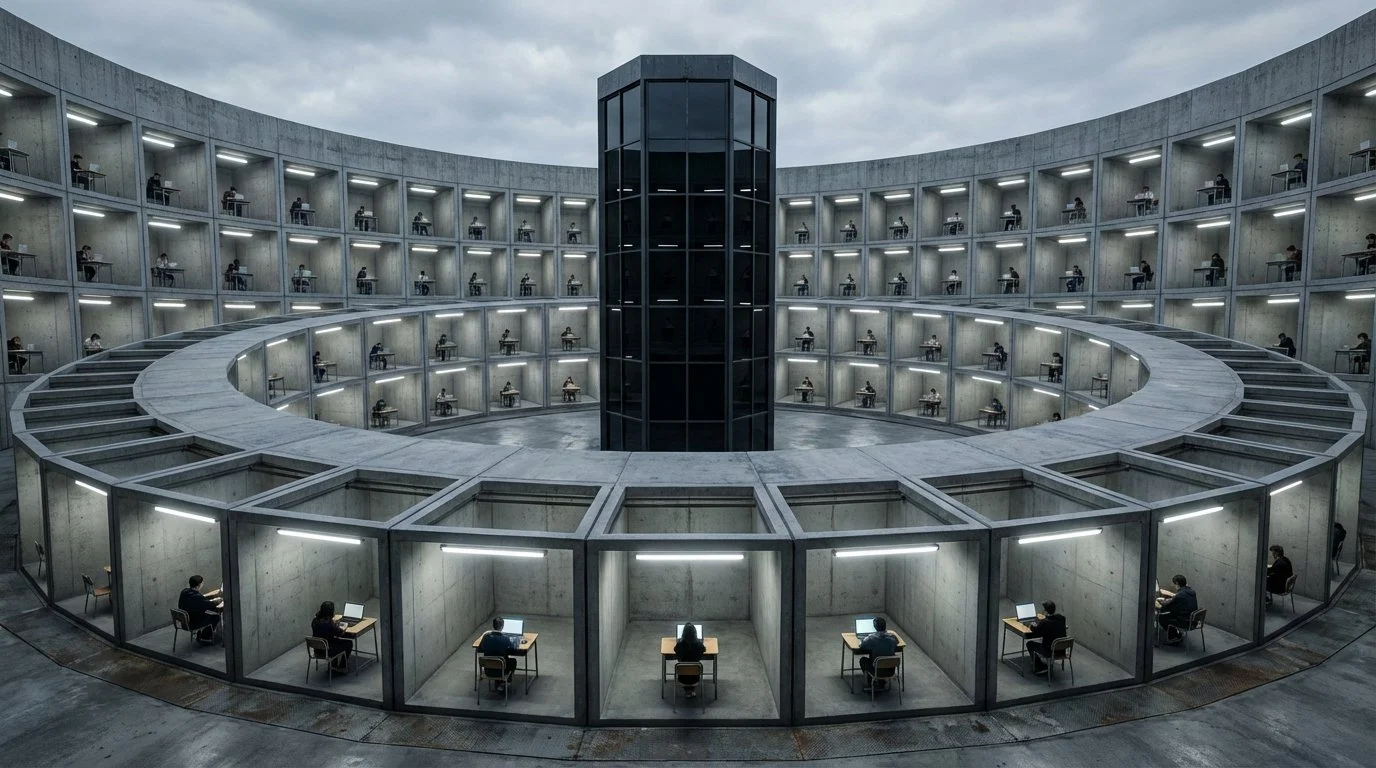



The Architecture of Total Capture
Hesitation before typing, deleted drafts, or pauses mid-thought are no longer private. They're data points. The Architecture of Total Capture introduces cognitive privacy and documents four convergent threats: pre-upload scanning, biometric sentiment tracking, analytic atrophy, and cognitive prompt injection.
AI Algorithms Can Read Your Mind
Traditional privacy frameworks depend on a controllable perimeter where data sharing requires active user participation. AI-integrated wearables have dissolved this boundary through "biometric psychography"—the extraction of psychological profiles from involuntary physiological signals. I examine the "pre-consent collection problem" and how our mere presence in public space is being converted into a product of algorithmic inference.
Hesitation before typing, deleted drafts, or pauses mid-thought are no longer private. They're data points. The Architecture of Total Capture introduces cognitive privacy and documents four convergent threats: pre-upload scanning, biometric sentiment tracking, analytic atrophy, and cognitive prompt injection.