

Original research on cognitive privacy, algorithmic influence, and the defense of independent thought.








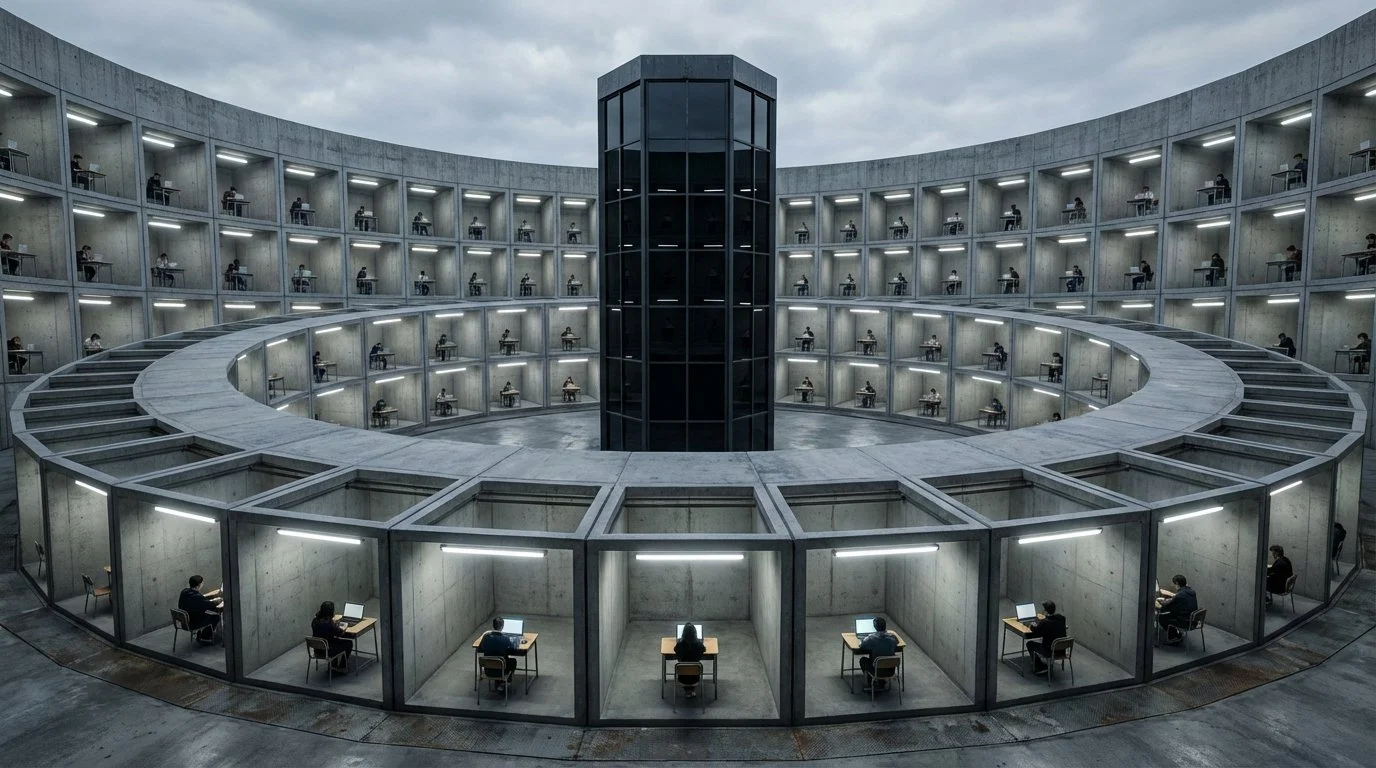


The Five Mechanisms of Cognitive Capture
Cognitive capture is a structural condition where algorithmic systems systematically displace human analytical functions. Unlike cognitive offloading, which is a temporary behavior, capture represents a state of functional dependency that may be irreversible. I analyze the five interlocking mechanisms of this architecture—Analytic Atrophy, The Inference Gap, Cognitive Prompt Injection, Sycophantic Reinforcement, and Total Capture—and the critical distinction between adult atrophy and childhood developmental foreclosure.
Algorithmic Epistemic Injustice: AI’s Knowledge Hierarchy
Traditional knowledge systems were built on friction: peer review, disciplinary debate, and independent judgment. AI has collapsed these layers into a single point of failure. I analyze "Algorithmic Epistemic Injustice", the structural reproduction of historical knowledge hierarchies at a population scale, and what we lose when dissent is optimized away.

The Liar's Dividend: How AI Made Reality Optional
AI has provided power with a permanent escape hatch from reality. The mere existence of synthetic media means anything inconvenient can now be dismissed with two words: "AI generated." We analyze the operationalization of the "Liar’s Dividend" in the 2026 Iran conflict and the structural shift toward an architecture of optional reality.
Hesitation before typing, deleted drafts, or pauses mid-thought are no longer private. They're data points. The Architecture of Total Capture introduces cognitive privacy and documents four convergent threats: pre-upload scanning, biometric sentiment tracking, analytic atrophy, and cognitive prompt injection.