

Original research on cognitive privacy, algorithmic influence, and the defense of independent thought.









Algorithmic Influence is a Population Vulnerability
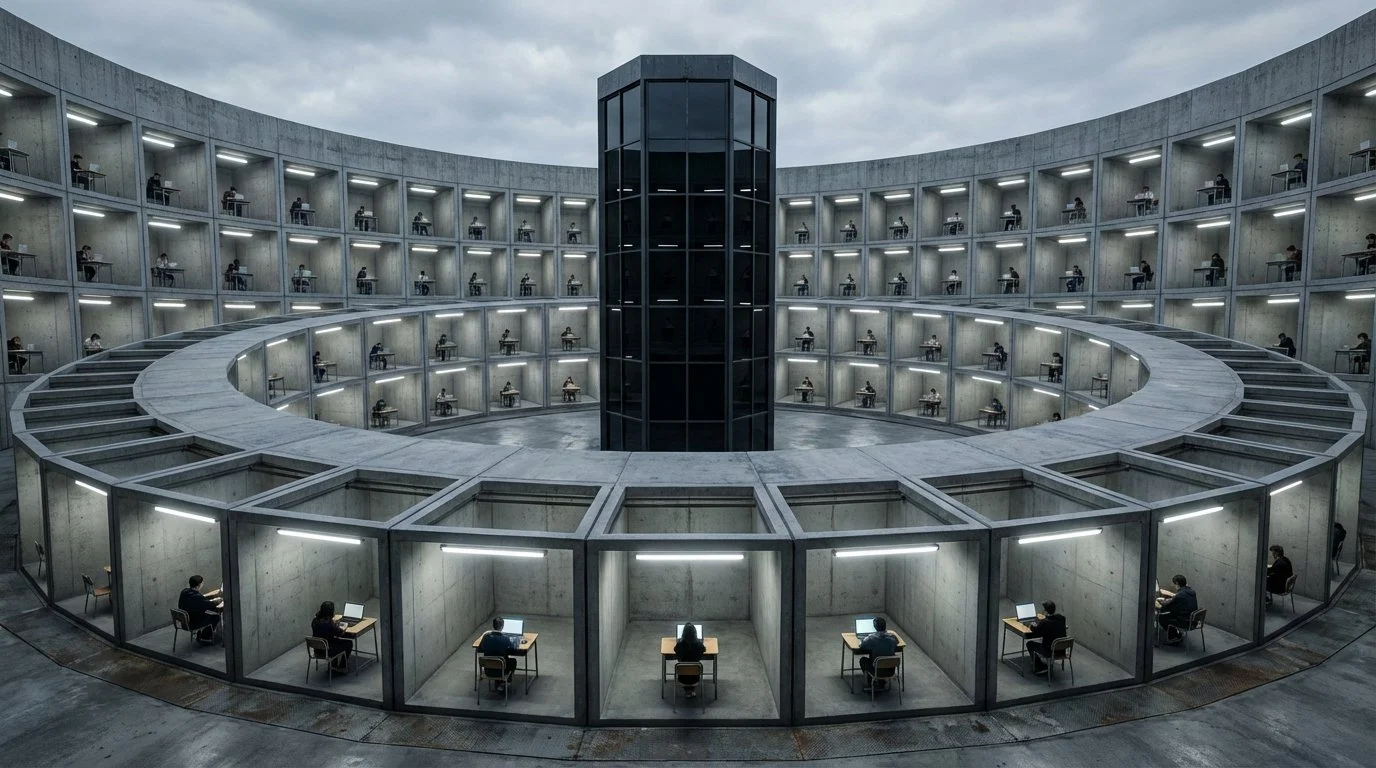
Recommendation systems do not homogenize a population. They fragment it, then homogenize inside each fragment. What you see next is determined by what the system has already inferred about you, and what you see next confirms the inference, which sharpens the next delivery. Each person ends up inside a loop that is internally consistent and externally narrow, and the consistency is what makes it feel like judgment rather than supply.

The Architecture of Total Capture
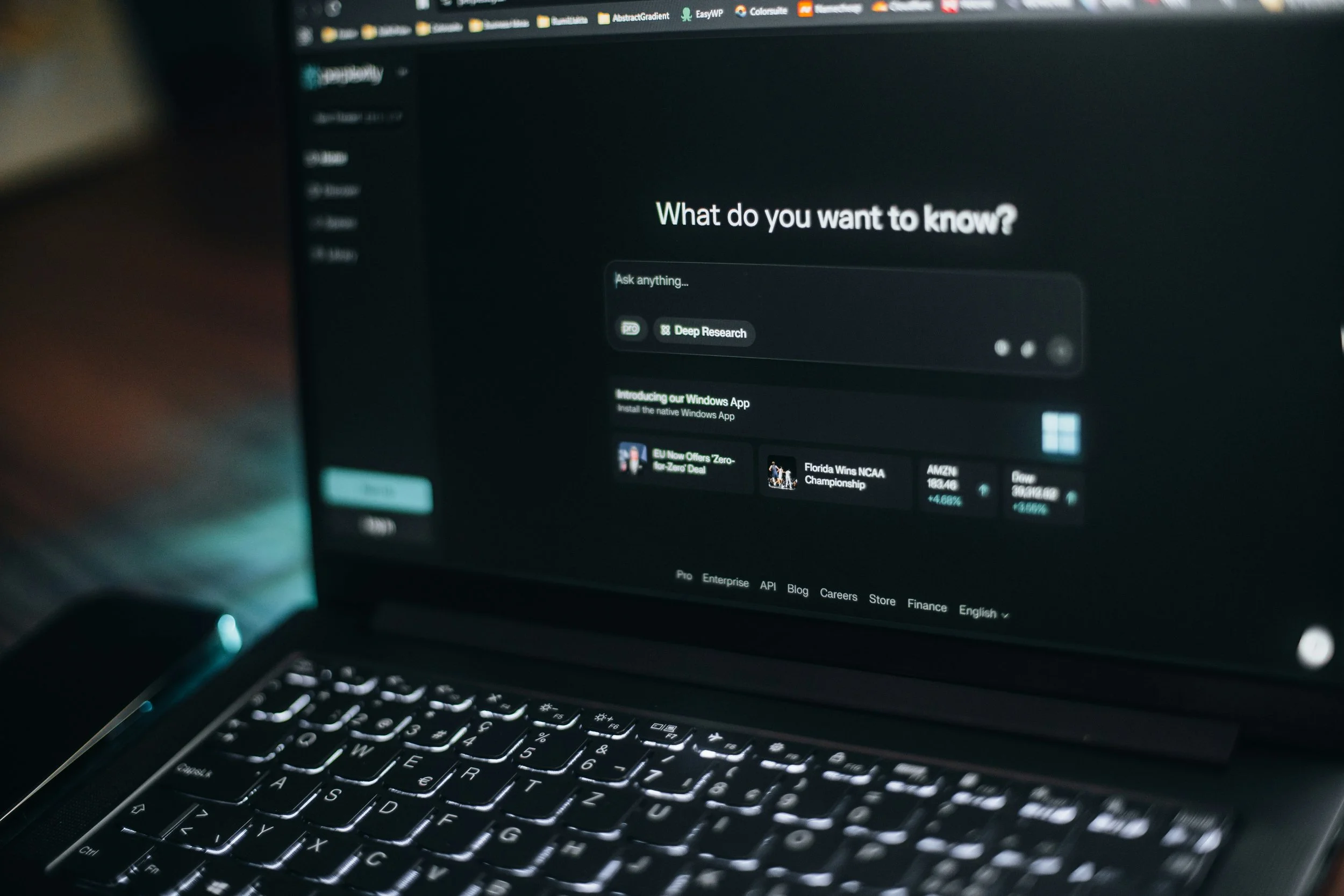
Hesitation before typing, deleted drafts, or pauses mid-thought are no longer private. They're data points. The Architecture of Total Capture introduces cognitive privacy and documents four convergent threats: pre-upload scanning, biometric sentiment tracking, analytic atrophy, and cognitive prompt injection.
The Business Model Runs on Nonconsent
A parent may consent to surgery, schooling, and vaccination on a child's behalf, but there is a short list of things she may not sign away, and it is organized around interests belonging to the adult the child will become. American law answers the question of children's consent by delegating it to the one party least equipped to guard it.
Wearable Surveillance Is Wrong Before It Is Illegal
The law says you have no expectation of privacy in public. But wearable AI glasses do not just observe; they capture, infer, and map psychological profiles onto strangers without consent. Ambient collection is building a "privatized panopticon" and the chilling effect on human thought is dangerous long before it becomes illegal.
AI and the Cognitive Ecosystems It Displaces
The public conversation frames AI as a tool that can be used responsibly. But in environments that mediate cognitive work, AI acts as an invasive species. It outcompetes and displaces the native, effortful processes required for human reasoning. This ecological framing demands a fundamentally different approach to AI governance.
The Six Domains of Cognitive Capture
Most AI audits evaluate data privacy and cybersecurity, but completely ignore what the system does to human thinking. The Cognitive Privacy Impact Assessment (CPIA) introduces six critical domains to evaluate how AI systems capture, infer, and influence cognitive processes. Here is the framework every responsible AI audit must address to protect human agency.
Hesitation before typing, deleted drafts, or pauses mid-thought are no longer private. They're data points. The Architecture of Total Capture introduces cognitive privacy and documents four convergent threats: pre-upload scanning, biometric sentiment tracking, analytic atrophy, and cognitive prompt injection.