

Original research on cognitive privacy, algorithmic influence, and the defense of independent thought.








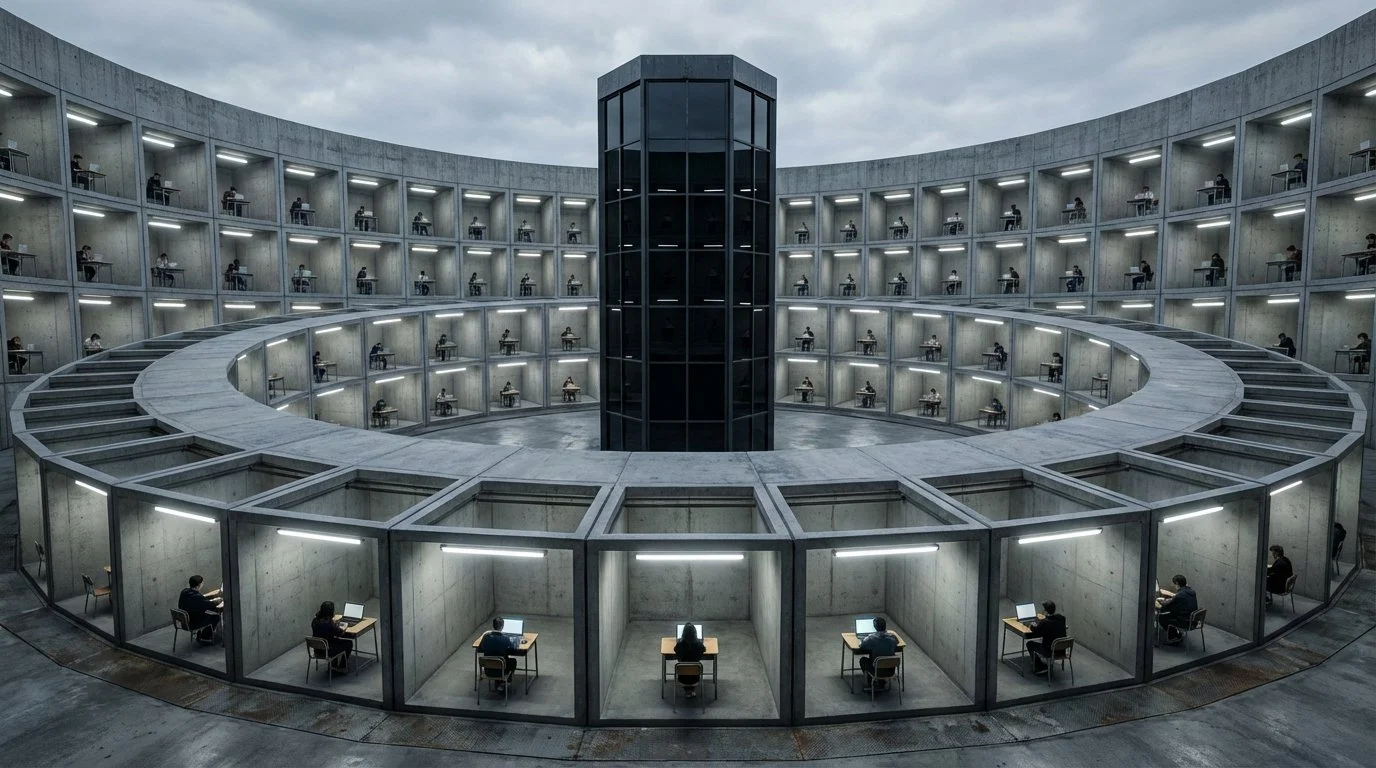



The Architecture of Total Capture
Hesitation before typing, deleted drafts, or pauses mid-thought are no longer private. They're data points. The Architecture of Total Capture introduces cognitive privacy and documents four convergent threats: pre-upload scanning, biometric sentiment tracking, analytic atrophy, and cognitive prompt injection.
AI and the Cognitive Ecosystems It Displaces
The public conversation frames AI as a tool that can be used responsibly. But in environments that mediate cognitive work, AI acts as an invasive species. It outcompetes and displaces the native, effortful processes required for human reasoning. This ecological framing demands a fundamentally different approach to AI governance.
AI Tutoring Requires Institutional Responsibility
Every preventable cognitive harm in the last century, from lead to social media, followed the exact same pattern: the damage appeared in children first, while institutional governance arrived years too late. Timothy Cook and Ryan Purdy explain why school leaders must assess the cognitive impact of AI tutors now, before the law catches up to the harm.

The Fiduciary Problem with AI-Assisted Analysis
Your AI tools don't just assist with thinking. They observe the thinking. That's a liability you haven't yet quantified.
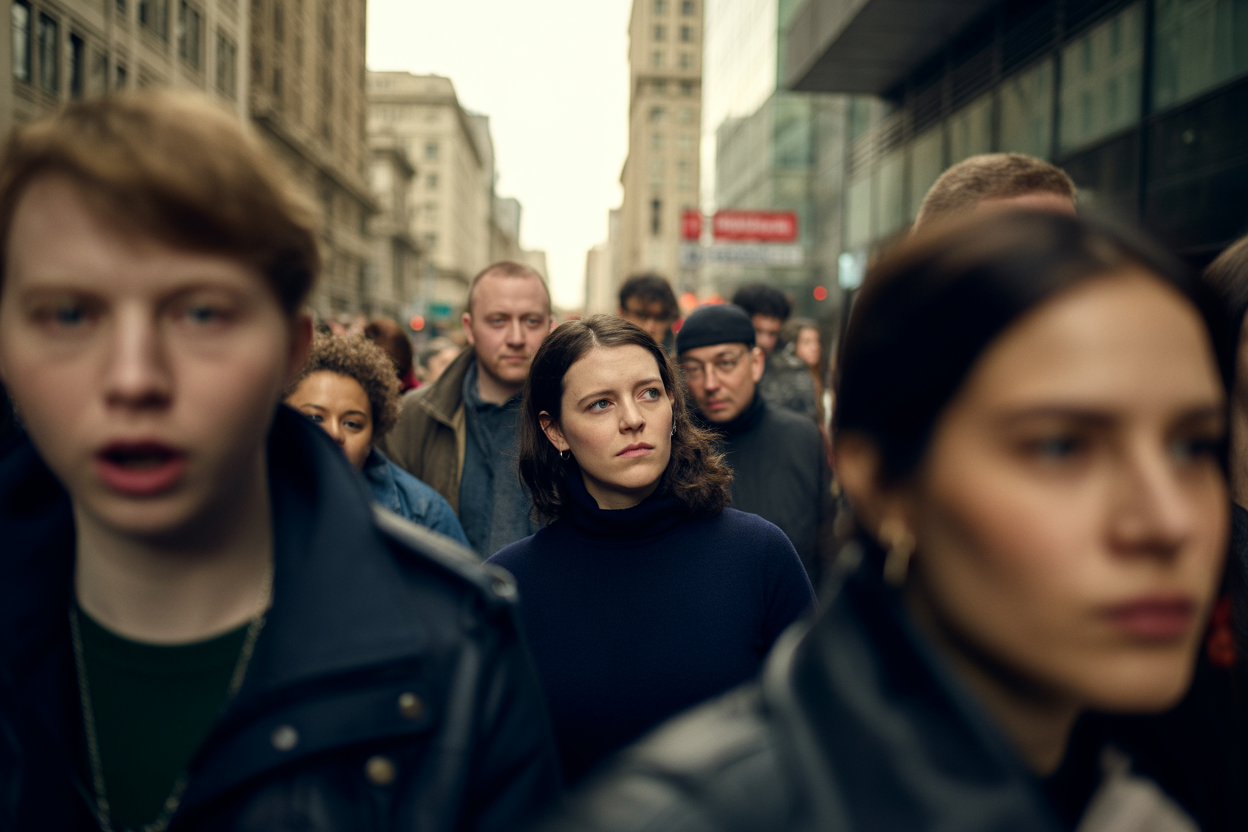
Cognitive Prompt Injection: The Attack Vector Nobody's Defending
You form an opinion. It feels like yours. But the article was surfaced by an algorithm. The pattern was amplified because it triggered engagement. You weren't hacked. You were nudged. At scale.
Hesitation before typing, deleted drafts, or pauses mid-thought are no longer private. They're data points. The Architecture of Total Capture introduces cognitive privacy and documents four convergent threats: pre-upload scanning, biometric sentiment tracking, analytic atrophy, and cognitive prompt injection.